Smoked Brisket Chili
Smoked Brisket Chili

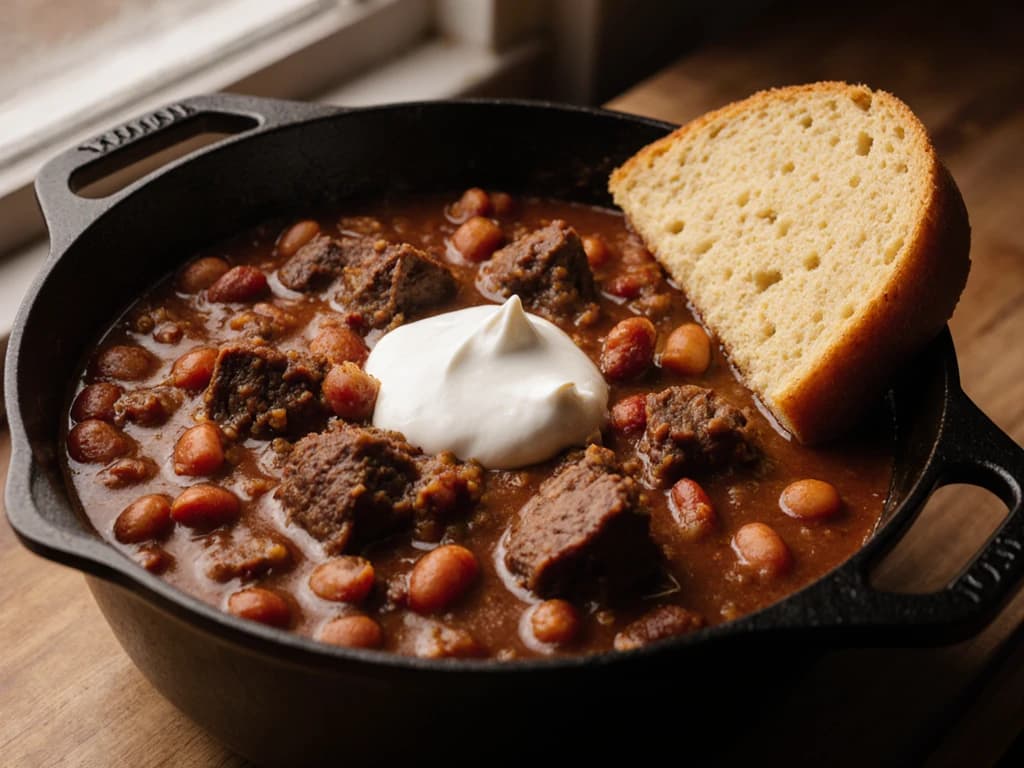
Smoked brisket chili replaces ground beef with hand-cut brisket cubes that hold their shape and infuse the sauce with wood smoke. Dried ancho and guajillo chiles form a fruity, earthy base, and a cup of black coffee deepens the roasted notes from the bark. A single pot feeds eight in under an hour.
- 1
Toasting dried chiles before soaking wakes up their volatile aromatic compounds, and using the soaking liquid in the paste retains the water-soluble flavor compounds that would otherwise be lost
- 2
Adding 240ml black coffee introduces over 800 aroma compounds that share molecular similarities with Maillard products in the brisket bark, deepening the roasted quality of the sauce without a detectable coffee flavor
- 3
Cornstarch slurry added in the final 10 minutes provides precise viscosity control without extended cooking that would toughen the brisket cubes or cause the kidney beans to break down
Smoked brisket chili replaces the ground beef standard with hand-cut cubes of brisket that hold their shape through a long simmer and release their smoke directly into the broth, producing a depth of flavor that no spice blend alone can create. Ancho and guajillo chiles, bloomed in the rendered brisket fat before the liquid goes in, contribute a fruity, earthy backbone without sharp heat. Adding 240 ml of black coffee with the beef broth amplifies the roasted notes already present in the bark without making the chili taste like coffee.
Building Depth with Dried Chiles
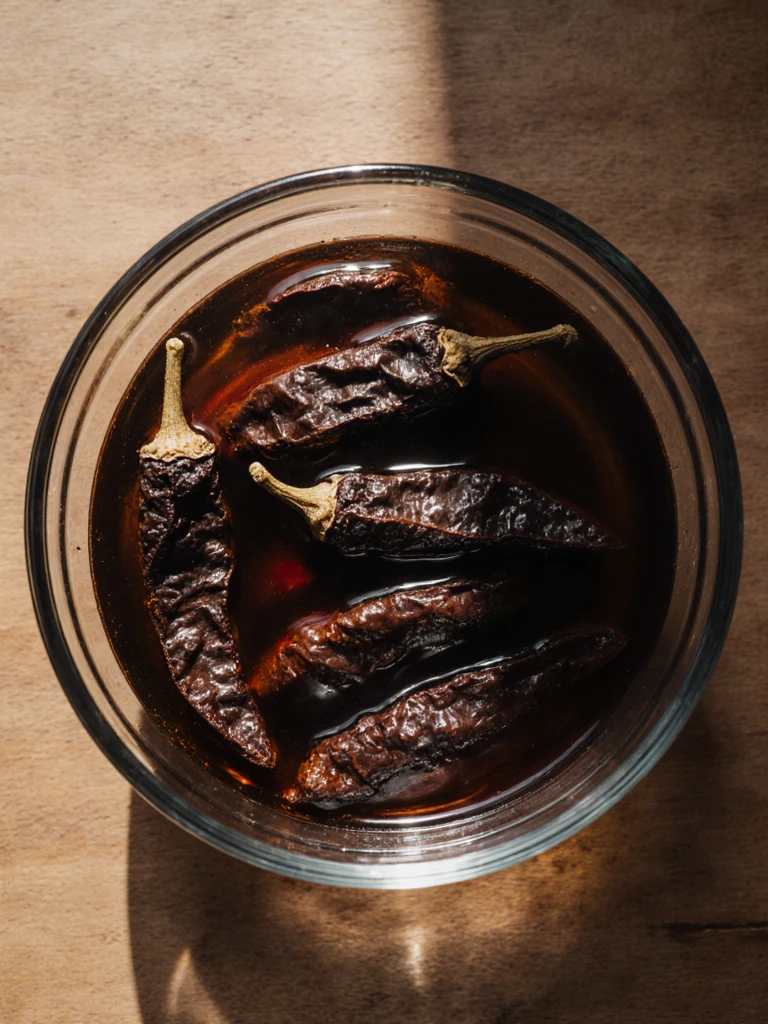
Dried chiles do more work in a chili than fresh ones because dehydration concentrates their sugars, oils, and flavor compounds. Ancho chiles, the dried form of the poblano, contribute dark fruit notes similar to dried plum and a mild heat rated at 1,000 to 2,000 Scoville units. Guajillo chiles add a sharper, slightly tart note with moderate heat at 2,500 to 5,000 Scoville units. Toasting both varieties in a dry skillet for 60 seconds per side before soaking wakes up the volatile aromatic compounds in the skin without burning them. The soaking liquid from the chiles retains much of their flavor and should always be used in the chile paste rather than discarded, since it carries the water-soluble compounds that were released during soaking.
The Coffee Addition
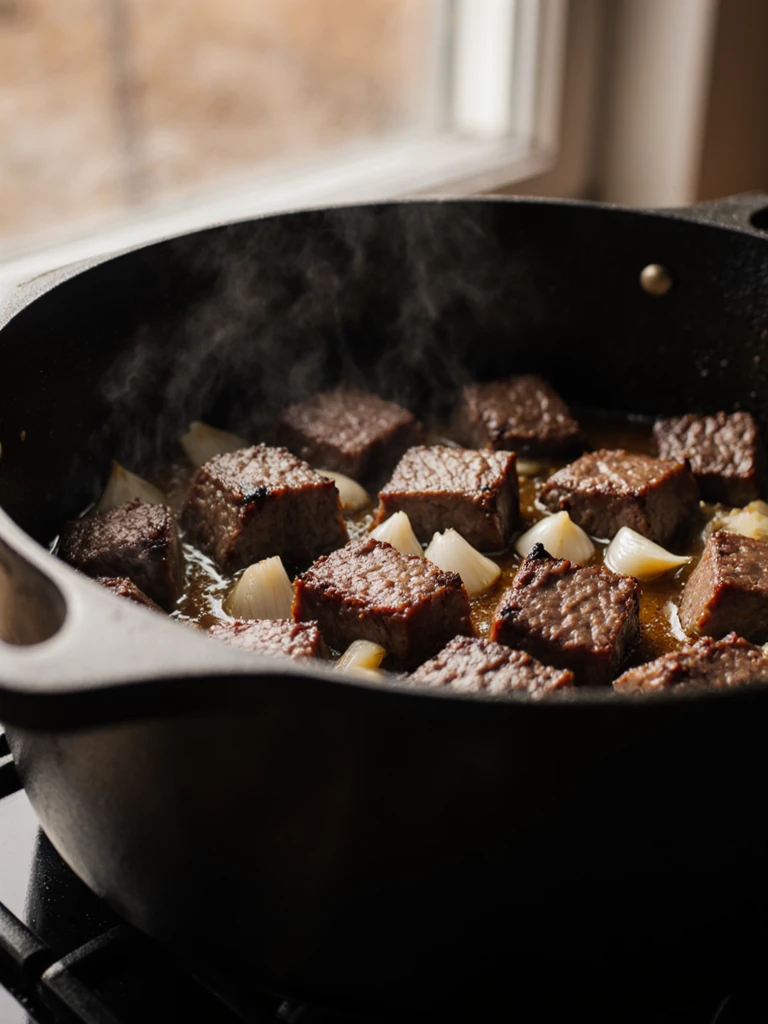
Black coffee in chili functions as a flavor amplifier rather than a primary note. Brewed coffee contains over 800 volatile aroma compounds, many of which share molecular similarities with the Maillard reaction products present in smoked brisket bark and in the caramelized fond on the bottom of the Dutch oven after searing. Adding 240 ml of brewed black coffee alongside the beef broth introduces these compounds into the sauce at a low enough concentration that no individual taster identifies coffee specifically, but the overall roasted, slightly bitter depth of the chili increases noticeably. Instant espresso powder dissolved in water at 1 tsp per 240 ml water works as a substitute when brewed coffee is unavailable.
Cooking the Chili to the Right Consistency
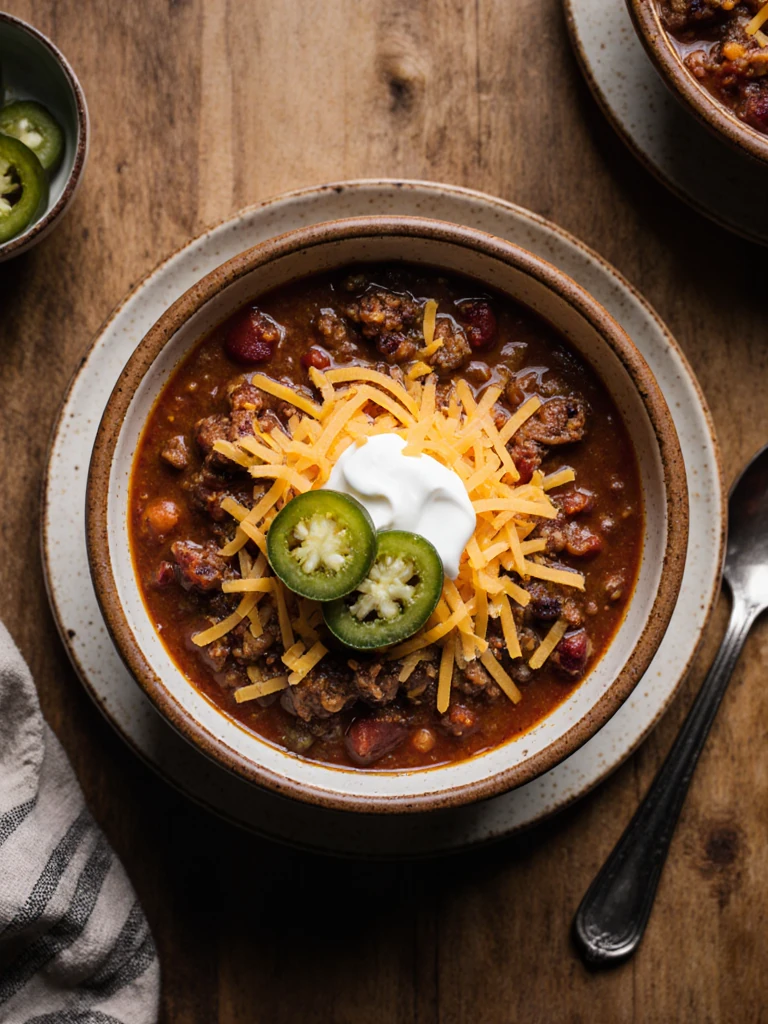
Chili consistency is determined by the ratio of liquid to solids and by the length of the uncovered simmer after all ingredients are combined. The target is a thick, scoopable sauce that coats each piece of brisket without pooling excessively in the bowl. Too thin: simmer uncovered for an additional 10 minutes. Too thick: add beef broth in 60 ml increments. The cornstarch slurry added in the final 10 minutes provides precise control over final consistency without prolonging cooking time. Kidney beans added in the last 10 minutes rather than at the beginning retain their structure and do not turn mushy, which distinguishes a well-cooked chili from one where the beans dissolve into the sauce.
Serving and Toppings
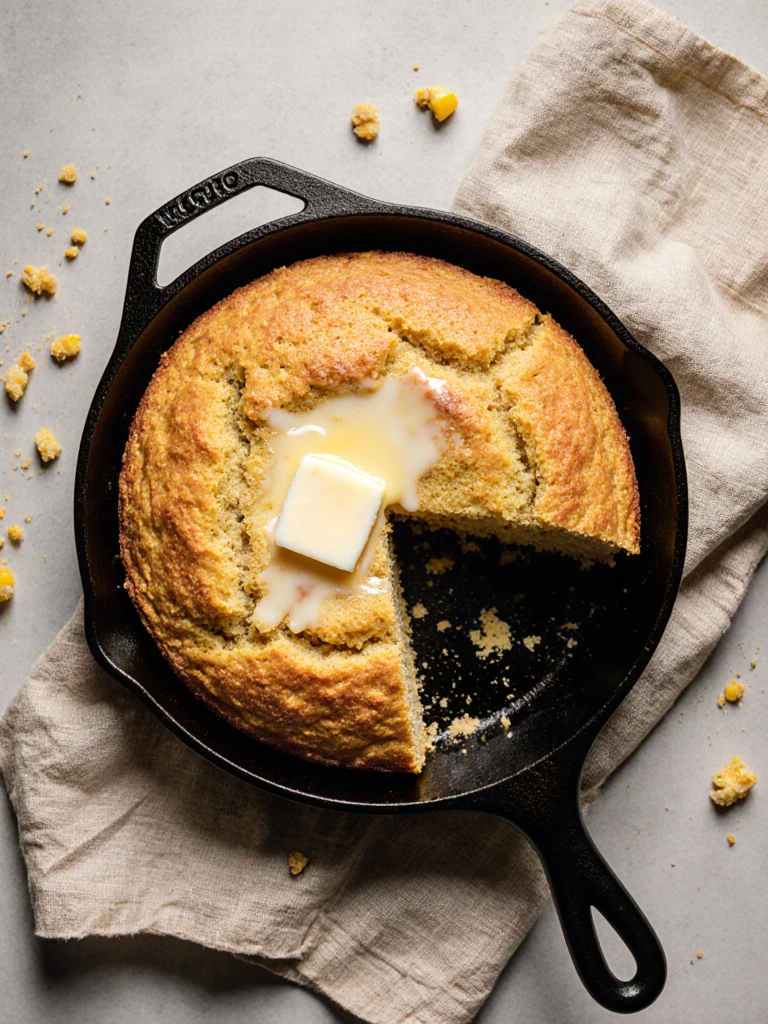
Smoked brisket chili benefits from toppings that each address a specific element of the dish's richness. Sour cream introduces dairy fat and lactic acid, which softens the chile heat and cuts through the rendered brisket fat. Shredded sharp cheddar adds a salty, aged note that reinforces the savory depth. Pickled jalapeños restore sharpness that the long simmer has mellowed in the dried chiles. Cornbread serves as both a utensil and a counterpoint: its sweetness from the cornmeal balances the earthy, smoky character of the chili, and its crumb soaks up the sauce from the bottom of the bowl.
The Recipe
Smoked Brisket Chili
Ingredients
Instructions
- 1
Toast dried chiles in a dry skillet over medium heat for 60 seconds per side. Transfer to a bowl, cover with 240ml boiling water, and soak for 10 minutes. Transfer chiles and soaking liquid to a blender and blend into a smooth paste.
- 2
Heat oil in a Dutch oven over medium-high heat. Sear brisket cubes in a single layer for 2 minutes per side until caramelized. Work in batches to avoid crowding. Remove and set aside.
- 3
Reduce heat to medium. Sauté onion in the same pot for 5 minutes until softened. Add garlic and cook 1 minute more.
- 4
Stir in chile paste, cumin, and smoked paprika. Cook for 2 minutes, stirring constantly, until the paste darkens and sticks slightly to the base.
- 5
Return brisket cubes to the pot. Add crushed tomatoes, coffee, and beef broth. Bring to a simmer and cook uncovered for 25 minutes.
- 6
Stir in cornstarch slurry and kidney beans. Simmer for a further 10 minutes until the sauce thickens to coat a spoon. Serve with sour cream, shredded cheddar, and pickled jalapeños.
Nutrition Facts
Per serving
490 Calories
Hearty & filling per serving
Macronutrients
* % Daily Value based on a 2,000 calorie diet
Tips & Notes
Work in batches when searing the brisket cubes; crowding the pot causes steaming rather than browning and reduces the flavor of the finished sauce. Add the cornstarch slurry in the final 10 minutes only, after tasting for seasoning, as it thickens the sauce quickly and further reduction becomes difficult once the slurry is in. Taste for salt only after the beans are added, since canned beans contribute variable sodium.
Frequently Asked Questions
Yes. Smoked brisket chili tastes better the next day as the flavors meld overnight. Reheat over medium-low heat with a splash of broth to loosen the sauce.
Enjoyed this recipe?


