Smoked Brisket Fried Rice
Smoked Brisket Fried Rice
Smoked brisket fried rice turns a pound of leftover BBQ and three cups of cold day-old rice into a 20-minute wok meal with more depth than most restaurants produce. The smoked bark on the brisket amplifies under 500°F wok heat, soy sauce hits the wok wall before the rice for maximum caramelization, and a crispy fried egg on top finishes the bowl.

- 1
Day-old refrigerated rice has lost 15 to 20% surface moisture and undergone starch retrogradation, producing firm, separated grains that brown individually under wok heat rather than clumping and steaming.
- 2
Adding brisket to the wok 30 to 45 seconds before the rice gives the bark surface time to undergo a second Maillard reaction, releasing volatile smoke compounds that coat every incoming grain as they are tossed.
- 3
Pouring soy sauce down the hot wok wall instead of directly onto the rice caramelizes the sauce in 1 to 2 seconds before it reaches the grains, developing roasted bitter-savory compounds that a direct pour cannot produce.
Smoked brisket fried rice is a 20-minute wok meal that solves leftover brisket and leftover rice in a single pan. Two variables determine whether the result is genuinely restaurant-quality or a bowl of steamed, clumped rice with meat in it: the rice must be cold and day-old, and the wok must reach 500°F before any ingredient goes in. Both conditions create the wok hei effect — the lightly charred, smoky Maillard coating on each grain that distinguishes fried rice from reheated rice. Smoked brisket, uniquely among proteins, amplifies this effect because the bark's surface carbon compounds react with the wok's heat and distribute a secondary smoke note through the entire dish.
Why Day-Old Cold Rice Is Non-Negotiable for Smoked Brisket Fried Rice
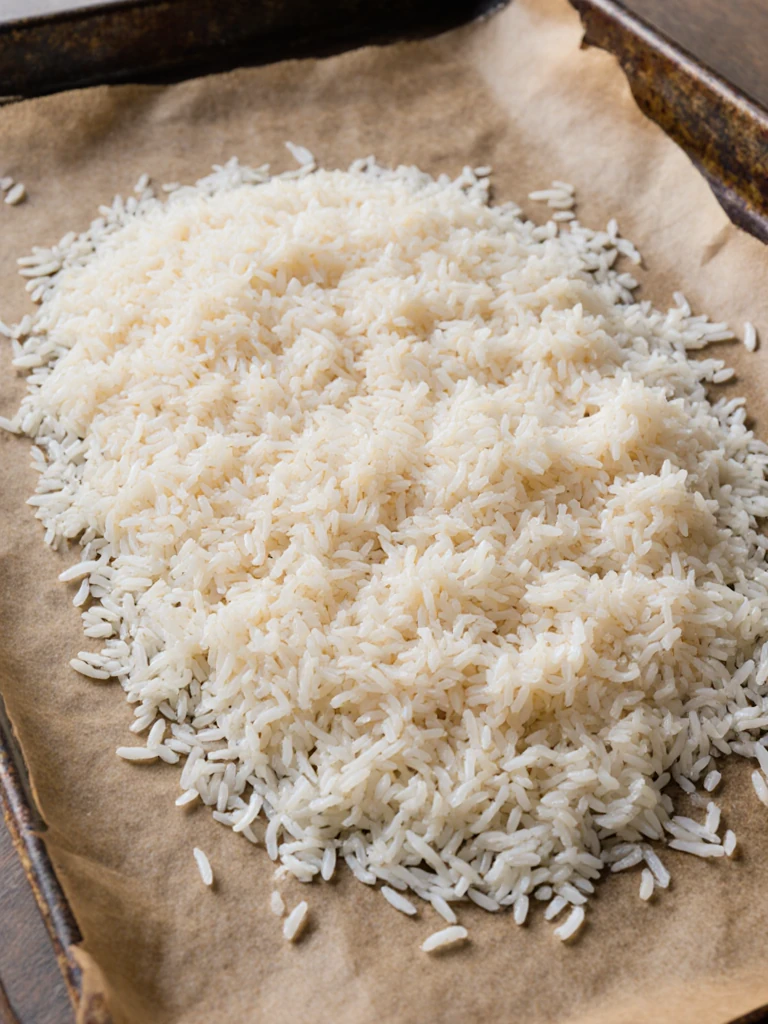
Freshly cooked rice contains 60 to 65% moisture by weight. At wok temperatures, that moisture releases as steam, which creates a humid micro-environment around each grain that prevents browning and causes the grains to stick together in clumps. Day-old refrigerated rice has lost 15 to 20% of that surface moisture through evaporation, and the starch has undergone retrogradation — a partial recrystallization that firms the grain structure and allows each grain to separate cleanly under wok heat.
Long-grain jasmine rice is the best choice for this recipe. Its lower amylopectin content compared to medium-grain or sushi rice produces firmer, more separate grains after cooking and refrigeration. Medium-grain rice, even when a day old, retains more stickiness and tends to clump during high-heat stir-frying. Cook the rice with a 1:1.5 ratio of rice to water (slightly drier than the standard 1:2 ratio) for grains that firm up faster during refrigeration.
A shortcut for same-day rice: spread freshly cooked rice in a single layer on a parchment-lined baking sheet and refrigerate uncovered for 2 hours. The increased surface area accelerates moisture evaporation and produces a usable rice in a fraction of the overnight time. The result is 80% as good as true day-old rice — acceptable for weeknight cooking but not for a situation where texture matters most.
Getting the Wok Hot Enough for Wok Hei
Preheat a carbon steel wok over the highest available burner flame for 3 to 4 minutes until the metal turns a faint blue-grey and a drop of water vaporizes in under 2 seconds. Below 450°F, the Maillard reaction on the rice grain surface stalls; the rice heats through but never browns, and the characteristic toasted, lightly smoky coating of wok hei does not develop.
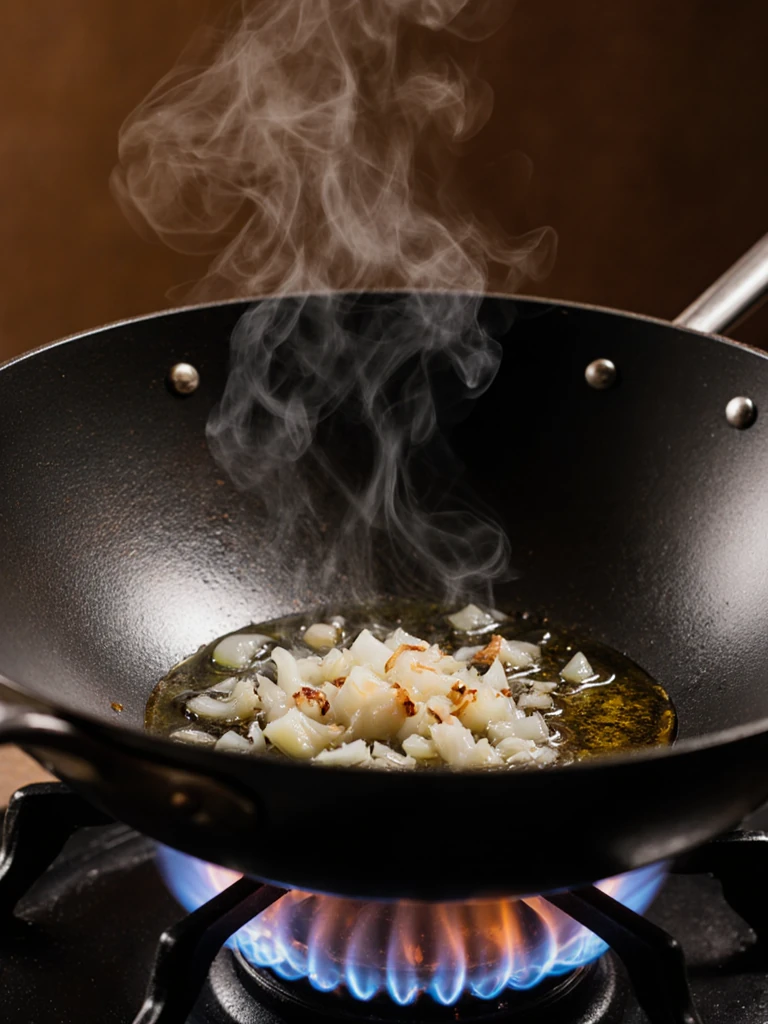
Carbon steel is the correct wok material for this recipe. Its thin walls (1.2 to 2mm) conduct heat rapidly and respond instantly to burner adjustments, which allows the cook to manage the temperature surge when cold rice hits the pan. A cast iron wok holds heat longer but responds slowly, making it easy to overshoot into burning territory. Non-stick pans cannot be used above 450°F without degrading the coating and should not be substituted here.
Add the oil only after the wok is fully preheated. Oil added to a cold or warm wok heats gradually and begins to polymerize before aromatics go in, creating a sticky residue. Oil added to a smoking-hot wok coats the surface in under 3 seconds and immediately reaches its smoke point, which is the temperature at which aromatics brown rather than sweat. Use a high-smoke-point neutral oil: peanut oil (450°F), avocado oil (520°F), or refined canola oil (400°F). Sesame oil burns immediately at wok temperatures and belongs at the finish, not the start.
The Soy Sauce Wall Technique and Brisket Bark Synergy
Pour soy sauce down the curved wall of the hot wok rather than directly onto the rice. The wok wall reaches a higher temperature than the rice mass below it, so soy sauce hitting the wall at 500°F caramelizes in the 1 to 2 seconds before mixing into the rice, developing roasted, slightly bitter compounds that a direct pour cannot produce.
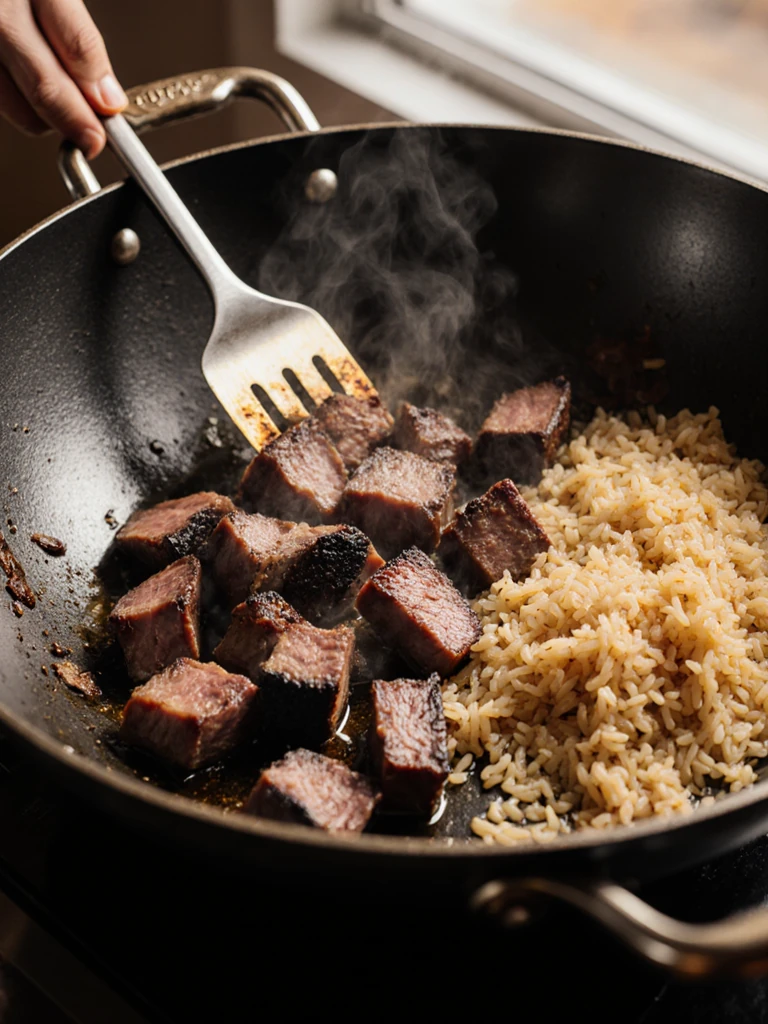
Smoked brisket performs differently than any other protein in fried rice because of the bark. The bark on a properly smoked brisket is a hardened outer crust of polymerized smoke compounds, rendered fat, rub spices, and caramelized collagen. When those bark pieces make contact with the 500°F wok surface for 30 to 45 seconds before the rice goes in, the surface compounds undergo a second Maillard reaction, releasing additional volatile aromatic compounds into the wok environment. Those compounds then coat the incoming rice grains as they are tossed. No other protein delivers this secondary smoke amplification because no other protein carries a pre-formed, spice-laden bark structure. For a direct comparison of how brisket bark behaves differently across applications, the same bark-forward character appears in the broth for smoked brisket pho, where bark compounds dissolve into the liquid rather than vaporizing into the wok atmosphere.
Add brisket to the wok before the rice. Give it 30 to 45 seconds of direct wok contact to activate the bark surface and let any residual moisture from refrigeration evaporate. Then add the cold rice around the brisket, spread it flat across the wok surface with the spatula, and leave it undisturbed for 20 seconds. The undisturbed contact period is when individual grains develop their toasted surface. After 20 seconds, toss and stir vigorously for 60 seconds. Repeat the press-and-toss cycle twice more before adding soy sauce.
The Egg Well and Final Seasoning
Push the rice to the wok's sides to create a clear well in the center, add a small pour of oil to the well, and scramble the eggs in that hotter center zone before folding them into the rice. Eggs scrambled in a separate pan and added to the rice cool quickly and turn rubbery; eggs cooked directly in the wok's hot center stay custardy and coat the rice grains as they break apart during the fold.
Season with soy sauce, oyster sauce, and a few drops of toasted sesame oil added off-heat. Oyster sauce contributes a concentrated umami and mild sweetness that rounds the soy's salt edge. Toasted sesame oil added after the wok is removed from heat preserves its delicate roasted aroma — the same aroma that disappears in under 60 seconds at wok temperatures. Taste before serving: smoked brisket carries significant salt from its original rub, so the dish frequently needs less soy than a standard fried rice recipe. Add soy in half-tablespoon increments and taste between additions. The finished rice should be savory and smoky with distinct individual grains, not wet or salty. A comparison to smoked brisket mac and cheese illustrates the same salt-calibration principle — both dishes require tasting before adding salt because the brisket's rub does much of the work.
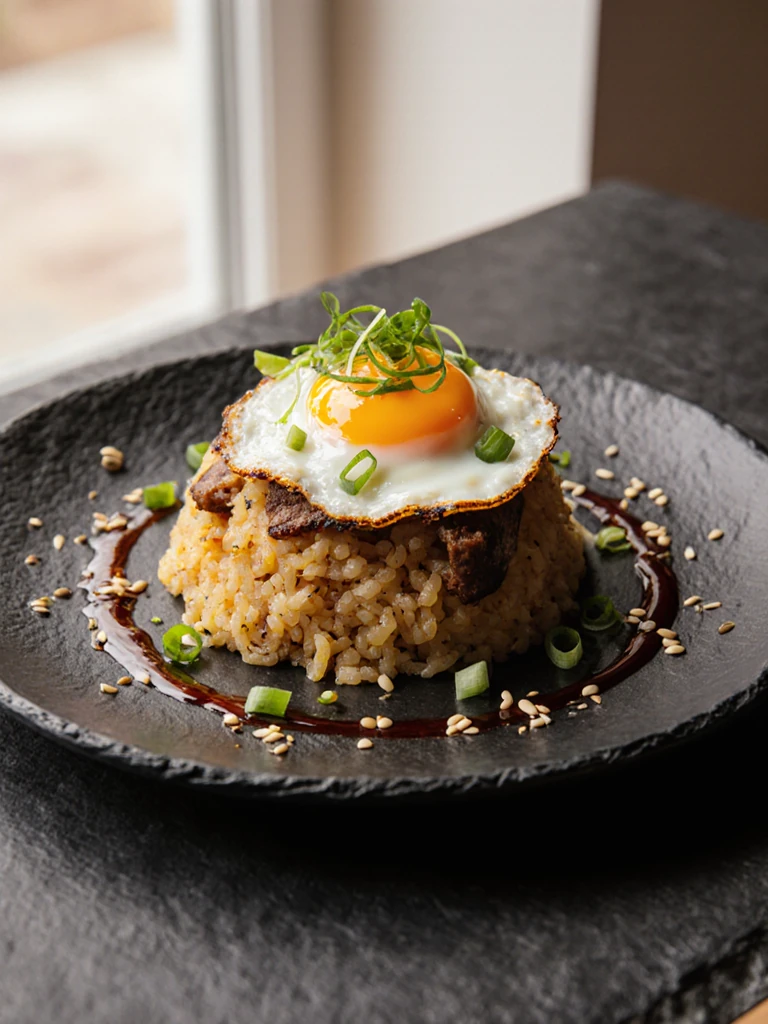
Plate the smoked brisket fried rice immediately and top with a crispy fried egg, sliced green onions, and a drizzle of chili oil. Find the full recipe at Recipe Diaries.
The Recipe
Smoked Brisket Fried Rice
Ingredients
For serving
Instructions
- 1
Set out all ingredients within arm's reach before heating the wok. Fried rice moves fast and the sequence cannot pause.
- 2
Preheat a carbon steel wok over the highest available burner flame for 3 to 4 minutes until the metal turns faint blue-grey and a drop of water vaporizes in under 2 seconds.
- 3
Add 1 tablespoon of oil. Swirl to coat. Add onion and jalapeño and stir-fry for 30 seconds, pressing against the wok wall.
- 4
Add garlic and stir-fry for 10 seconds until fragrant. Do not allow it to brown.
- 5
Add chopped brisket. Spread flat against the wok surface and leave undisturbed for 30 to 45 seconds to activate the bark and evaporate surface moisture. Toss once.
- 6
Add the remaining 2 tablespoons of oil. Add the cold rice, breaking up any clumps. Spread flat across the wok surface with the spatula and leave undisturbed for 20 seconds to develop toasted grain surfaces.
- 7
Toss and stir vigorously for 60 seconds. Press flat again for 20 seconds. Repeat one more cycle.
- 8
Add peas and carrots. Toss to incorporate.
- 9
Push the rice mixture to the sides of the wok to create a clear central well. Add a small extra drizzle of oil to the well if needed. Pour in the 3 beaten eggs and scramble in the center for 30 seconds until just set but still slightly wet.
- 10
Fold the egg into the rice with broad strokes, breaking it into pieces as it mixes.
- 11
Pour soy sauce down the curved wall of the wok rather than directly onto the rice. Toss immediately to coat evenly. Add oyster sauce and toss again.
- 12
Remove the wok from heat. Drizzle toasted sesame oil over the rice and toss once more. Taste and adjust soy sauce in ½-tablespoon increments.
- 13
Divide among four bowls. Top each with a crispy fried egg, sliced green onions, sesame seeds, and a drizzle of chili oil. Serve immediately.
Nutrition Facts
Per serving
610 Calories
Hearty & filling per serving
Macronutrients
* % Daily Value based on a 2,000 calorie diet
Tips & Notes
Taste the brisket before adding any soy sauce. Smoked brisket carries significant salt from its original rub — many batches require half the soy a standard fried rice recipe calls for. Add soy in half-tablespoon increments and taste between each addition. If only one burner is available and it is a standard home range (around 10,000 BTU), cook in two batches rather than one. Crowding the wok drops the surface temperature below the Maillard threshold and produces steamed, clumped rice. A restaurant wok burner runs at 100,000 BTU or more; a home range compensates by reducing the volume per batch. The undisturbed press period after adding rice is the most commonly skipped step in home fried rice. Leaving the rice flat against the wok for 20 seconds without stirring is what creates the toasted grain crust. Constant stirring moves grains away from the heat surface before they can brown. Toasted sesame oil added off-heat rather than during cooking retains its roasted, nutty aroma. At wok temperatures, its delicate volatile compounds evaporate within 60 seconds and the sesame note disappears from the finished dish.
Frequently Asked Questions
Fresh rice contains too much surface moisture and produces clumped, steamed results rather than individual toasted grains. If day-old rice is unavailable, spread fresh rice on a baking sheet and refrigerate uncovered for 2 hours minimum.
Enjoyed this recipe?


